
In today’s global supply chain, precision in packaging plays a crucial role in cost control and operational efficiency. Custom crate solutions have emerged as a strategic asset for companies looking to streamline their logistics. Unlike generic alternatives, shipping crates tailored to specific dimensions provide a perfect fit for goods, thereby minimizing waste, maximizing protection, and enhancing transportation workflows.
The Logistics Advantage of Custom-Sized Crates
When it comes to shipping logistics, every inch and ounce counts.
Customized crates allow businesses to optimize container space and pallet arrangements more effectively than standard-sized containers. This refined fit means that companies can often fit more units into a single shipment, ultimately reducing the number of trips required and lowering fuel and labor expenses.
Moreover, these crates contribute to safer transport by minimizing movement during transit, which is especially critical for sensitive or high-value items. Reduced shifting translates to fewer damages and returns, preserving both revenue and customer satisfaction.
Operational Cost Reductions Through Precision Packaging
Beyond logistics, operational costs are significantly impacted by crate customization.
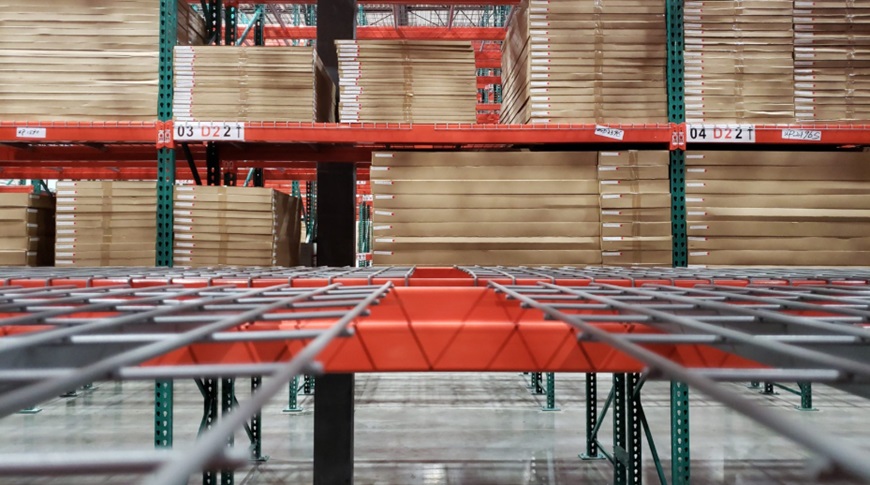
Manufacturing facilities often see tangible savings in storage fees, as products packed in size-specific crates require less warehouse space. Streamlined inventory management is another benefit, as labeled and uniform crates simplify tracking and handling across departments. One of the top 5 things to do before you buy wooden shipping crates is to evaluate product dimensions and weight, which directly affects how well a crate performs in real-world applications.
Additionally, customized crates often incorporate features that speed up packing and unpacking, improving overall workflow efficiency. Fewer packing materials are typically needed, leading to savings on supplies and a more sustainable packaging process.
Material Selection and Its Impact on Efficiency
Selecting the right material for your crate is just as important as choosing the right size.
Wood, metal, and plastic each offer unique advantages depending on the type of product being shipped. Understanding the material choices for custom crates helps businesses make informed decisions that balance protection, weight, and cost. For instance, plastic may be ideal for moisture-sensitive items, while metal offers unmatched durability for heavy machinery.
Crates made from appropriate materials are not only more durable but also reusable, reducing the frequency and cost of replacement. In some cases, companies can negotiate better rates with freight providers when using stackable or collapsible crate models.
Conclusion
Investing in customized crate sizes isn’t just about improved aesthetics or fitting preferences—it’s a strategic decision that significantly enhances shipping efficiency and reduces operational costs. From minimizing freight runs and reducing breakage to streamlining storage and packing workflows, tailored crating solutions support a more efficient, cost-effective supply chain.
By combining size optimization with smart material selection, companies not only meet shipping demands more effectively but also align with operational and environmental goals. As logistics demands continue to evolve, businesses leveraging these smart packaging solutions will stand out in speed, safety, and savings. For any organization striving to improve logistics efficiency, customized crates offer a practical and professional solution with measurable results.