
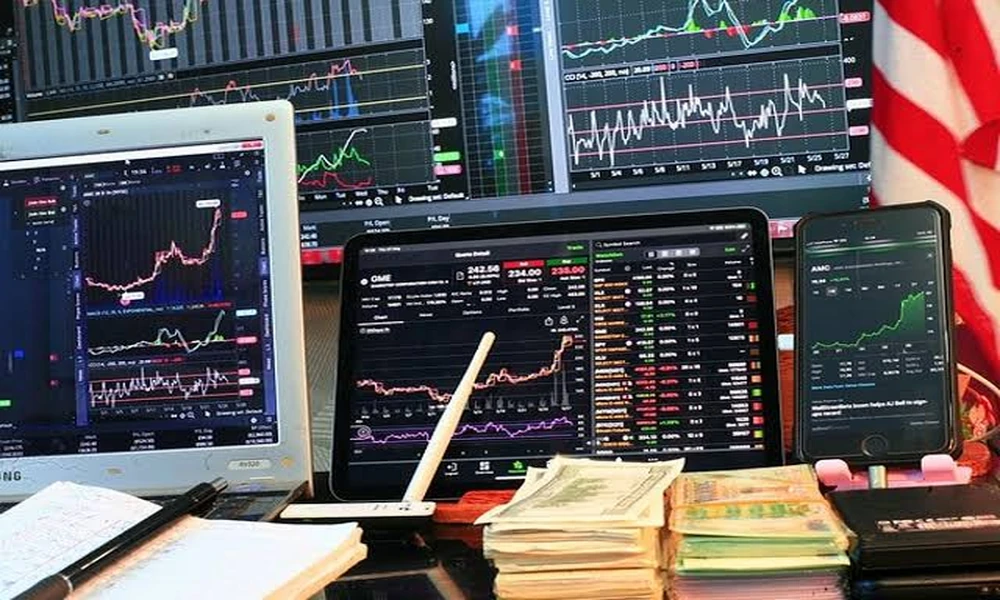
Financial markets can move in seconds, but the systems behind those movements are built to operate continuously, transparently, and at enormous scale. For traders, investors, businesses, and institutions, the quality of that infrastructure can influence how efficiently prices are formed and how easily positions can be entered or exited. Futures markets are a particularly important part of this structure because they bring together participants with different objectives while providing standardised contracts for trading a wide range of assets.
Understanding how exchange infrastructure works helps explain why some markets are more liquid than others and why certain prices become widely accepted reference points. Rather than viewing futures simply as speculative instruments, it is useful to see them as part of a broader financial system that connects producers, investors, banks, asset managers, and commercial users.
The Role of Exchange Infrastructure in Modern Markets
An exchange provides the framework through which buyers and sellers can interact according to established rules. This infrastructure includes electronic trading systems, market data services, clearing arrangements, contract specifications, margin requirements, and mechanisms designed to support orderly trading. Together, these elements create an environment where market participants can submit orders and discover prices without having to negotiate individually with every potential counterparty.
Standardisation is especially important in futures markets. A futures contract specifies details such as the underlying asset, contract size, expiration date, settlement method, and minimum price movement. Because participants understand what they are trading, contracts can be compared and exchanged efficiently. This standardisation also allows a large number of participants to contribute to the same market, increasing the potential for continuous price formation.
The importance of this infrastructure becomes clearer during periods of uncertainty. When economic data, central bank decisions, geopolitical developments, or supply disruptions affect expectations, futures markets can react rapidly. Reliable exchange technology and clearing systems help accommodate changing order flow while maintaining established procedures for risk management. Major financial institutions and market regulators therefore place considerable emphasis on transparency, resilience, and orderly market operation.
Why Futures Liquidity Matters
Liquidity refers to the ability to buy or sell an asset without causing a substantial change in its price. In a liquid futures market, there are typically many participants willing to transact at or near current market prices. This can make it easier for traders to execute orders efficiently and can reduce the impact that individual transactions have on the market.
Liquidity is shaped by several factors, including trading volume, the number of active participants, contract design, market hours, and the importance of the underlying asset. Highly followed futures contracts can attract commercial hedgers, institutional investors, market makers, and short-term traders simultaneously. Their different objectives can create a continuous flow of orders that contributes to deeper markets.
The benefits of liquidity extend beyond individual traders. Businesses can use futures to manage exposure to commodities, currencies, interest rates, or equity indexes, while investment managers may use them to adjust portfolio exposure. When sufficient liquidity is available, these participants can manage risk without relying entirely on direct transactions in the underlying market. This is one reason futures exchanges remain important to financial and commercial markets worldwide.
Price Discovery and the Information Behind a Market Price
Price discovery is the process through which market participants collectively determine the price at which an asset or contract should trade. It is influenced by available information, expectations, supply and demand, positioning, and changing perceptions of risk. Futures markets contribute to this process by bringing a wide range of participants together in a centralised and standardised trading environment.
Consider a futures contract linked to an equity index. Traders may assess corporate earnings, interest rates, economic indicators, monetary policy expectations, and global developments when deciding whether to buy or sell. Each order reflects an individual assessment of current information and future conditions. When thousands of such decisions interact, the resulting price provides a continuously updated indication of market expectations.
This is also where understanding what is CME can provide useful context for people learning about futures markets. CME refers to CME Group, one of the major global derivatives marketplace operators, and its markets include futures and options covering areas such as equity indexes, interest rates, foreign exchange, energy, metals, and agricultural commodities. Its role illustrates how large-scale exchange infrastructure can bring diverse participants together within standardised markets.
Conclusion
Futures exchanges are more than places where contracts are bought and sold. They are complex pieces of financial infrastructure that support liquidity, price discovery, clearing, risk management, and the efficient transfer of market exposure. Their standardised rules and technological systems allow participants with very different goals to interact within a common marketplace.
For anyone exploring futures, looking beyond price charts can provide a more complete understanding of how markets function. Learning how liquidity develops, how prices are discovered, and how clearing systems manage risk makes it easier to interpret market activity in context. Ultimately, strong exchange infrastructure gives participants the framework they need to trade, hedge, and respond to changing information while making informed decisions about the risks involved.