
Interior design has evolved to focus not only on how a space looks, but also on how it feels to use. In many modern environments, especially those with open layouts and hard surfaces, sound can quickly become an issue. Echo, background noise, and poor speech clarity can affect both comfort and functionality.
This is where sound absorbing panels have gained attention. Once seen as purely technical additions, they are now designed to blend seamlessly into interiors. Today, they are as much about aesthetics as they are about performance, making them a natural fit for stylish spaces.
Why Sound Matters in Interior Design
Sound is often overlooked during the design process, yet it plays a major role in how a space is experienced. A visually appealing room can still feel uncomfortable if noise levels are too high or if conversations are difficult to follow.
In offices, excessive noise can disrupt concentration. In restaurants or retail environments, it can affect customer experience. Even in homes, poor acoustics can make everyday activities less enjoyable.
Sound panels help address these issues by absorbing excess noise and reducing echo, creating a more balanced and comfortable environment without altering the overall layout.
Blending Panels Into Wall Designs
One of the most common ways sound panels are integrated into interiors is through wall applications. Instead of treating them as separate elements, designers incorporate them directly into wall features.
Panels can be arranged in clean, uniform layouts for a minimalist look or used in creative patterns to add visual interest. They may cover entire walls or be applied selectively to highlight specific areas.
Because they are available in a wide range of colours and finishes, sound panels can match or complement existing design schemes. This allows them to blend in naturally rather than stand out as purely functional additions.
Using Panels as Statement Features
In many modern spaces, sound panels are not just integrated quietly into the background-they are used as statement pieces. Designers take advantage of their versatility to create feature walls that draw attention.
Geometric shapes, layered designs, and textured surfaces can turn panels into focal points within a room. These installations add depth and character while still performing their acoustic function.
This approach is particularly effective in reception areas, lounges, or collaborative spaces where both design and comfort are equally important.
Enhancing Ceilings Without Compromising Style
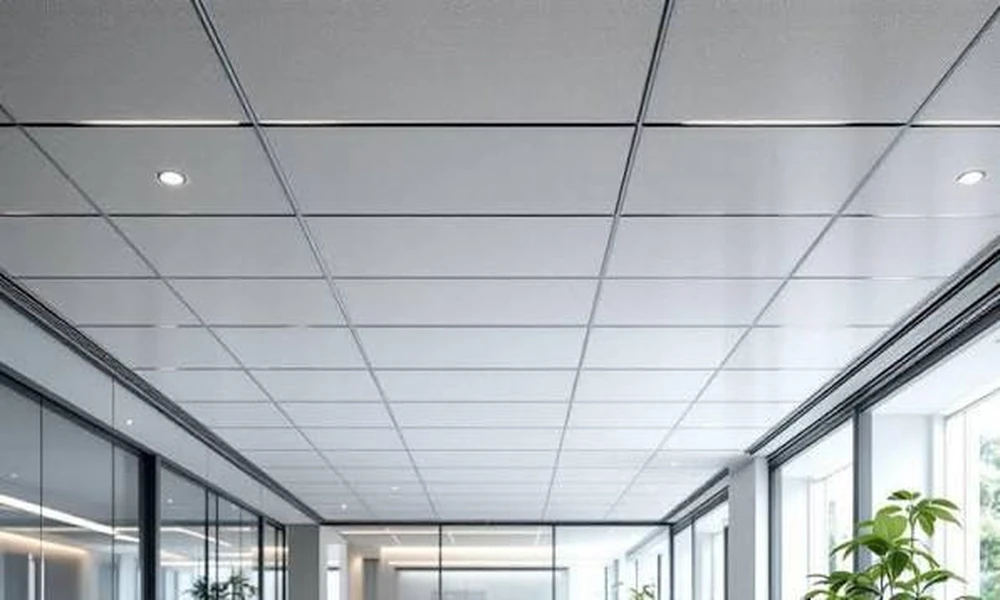
Walls are not the only place where sound panels can be used. Ceilings are another key surface where acoustic treatment can be integrated effectively.
In spaces with high ceilings or open layouts, sound tends to travel upwards and reflect back down. Installing panels on ceilings helps control this reflection, improving overall sound quality.
Modern ceiling panels are designed to be visually appealing, often appearing as floating elements or structured patterns. They can enhance the architectural design while contributing to better acoustics.
Supporting Open-Plan and Multi-Use Spaces
Open-plan interiors are popular for their flexibility and sense of openness, but they often struggle with noise control. Sound panels help maintain this openness while addressing acoustic challenges.
Placed strategically, they can reduce background noise in shared areas such as workstations, meeting zones, or dining spaces. This allows different activities to take place within the same area without excessive disruption.
In multi-use spaces, panels can also help create subtle distinctions between zones, improving both functionality and comfort.
Customisation for Brand and Identity
Sound panels offer opportunities for customisation that go beyond basic design. In commercial environments, they can be used to reflect brand identity and create a cohesive look.
Colours, patterns, and layouts can be aligned with branding elements, making panels part of the overall visual language of the space. Some designs even incorporate logos or unique shapes that reinforce brand recognition.
This turns a practical solution into a design asset that adds value to the interior.
Easy Integration Into Existing Interiors
One of the reasons sound panels are so widely used is their adaptability. They can be integrated into new designs or added to existing spaces that need improvement.
Installation is typically straightforward, and panels can be applied to specific areas without requiring major structural changes. This makes them a practical option for upgrading acoustics without a full renovation.
Because they are modular, panels can also be adjusted or expanded over time as needs change.
Balancing Function and Aesthetics
What makes sound panels particularly effective is their ability to serve multiple purposes at once. They improve acoustics, enhance design, and offer flexibility in how spaces are used.
Rather than choosing between style and performance, designers can achieve both with a single solution. This aligns with modern design principles, where every element is expected to contribute to both form and function.
Sound panels fit naturally into this approach, making them an essential tool in contemporary interiors.
Final Thoughts
Sound panels have become an integral part of stylish interior spaces, offering a seamless blend of design and functionality. They address common acoustic challenges while enhancing the overall look and feel of a room.
By integrating them thoughtfully into walls, ceilings, and feature elements, designers can create spaces that are not only visually appealing but also comfortable to use.
In the end, sound panels demonstrate that practical solutions can also be beautiful, proving that good design is as much about how a space sounds as it is about how it looks.